
 Gastroesophageal Reflux
.webp&w=3840&q=75)
Many people hear about gastric sleeve surgery without truly understanding when it is—or isn't—necessary. The reasons for undergoing the procedure go beyond a simple desire to lose weight; they are tied to precise medical criteria evaluated by a specialist surgeon before any decision is made. A proper understanding of these factors can save patients time and prevent them from making a decision they might later regret.
At Dr. Abdullah Al-Munaifi’s clinic—which specializes in bariatric and laparoscopic surgery—each case is carefully assessed to determine whether the gastric sleeve procedure is the most suitable option. The ultimate goal is always the patient's long-term health, rather than merely achieving a quick, temporary result.
What is gastric sleeve surgery?
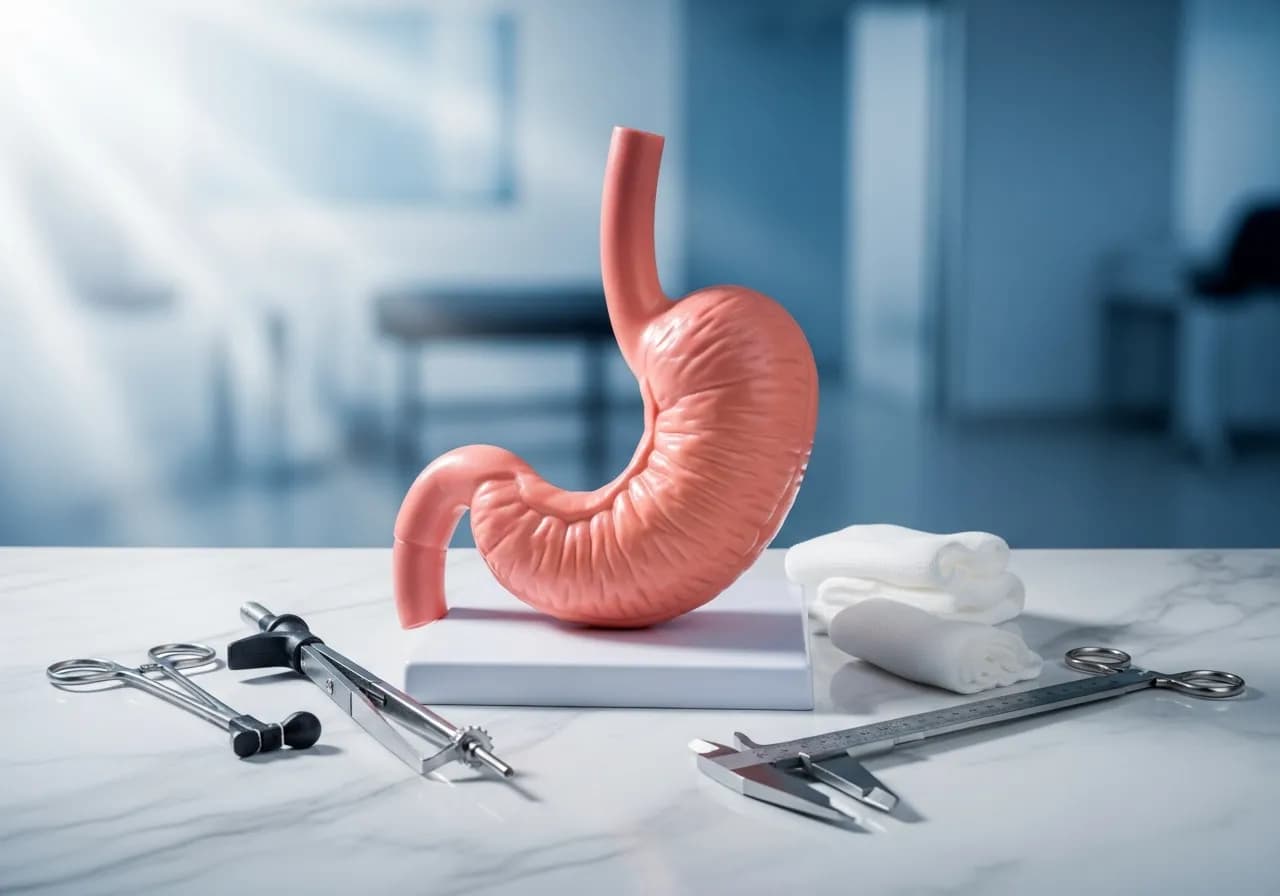
Gastric sleeve surgery—medically known as sleeve gastrectomy—is a surgical procedure in which a large portion of the stomach, typically ranging from 75% to 80% of its original size, is removed. What remains is a narrow, sleeve-like tube—hence the name "gastric sleeve." This reduced size allows the individual to feel full after consuming far less food than they were previously accustomed to.
What is noteworthy here is that the surgery affects not only the amount of food the patient consumes but also the hormone ghrelin—which is responsible for the sensation of hunger—as its levels drop significantly following the procedure. This means the patient not only tolerates smaller portions but also experiences a genuine reduction in hunger. Consequently, the question of what the sleeve gastrectomy procedure entails warrants an answer that looks beyond the surgical aspect to the profound physiological impact involved.
What medical conditions does gastric sleeve surgery help treat?
In reality, the criteria for gastric sleeve surgery are not limited to Body Mass Index (BMI) alone, despite its importance. Morbid obesity—defined as a BMI of 40 or higher—is a primary medical indication for the procedure. However, if the BMI falls between 35 and 40 and is accompanied by chronic conditions such as type 2 diabetes, hypertension, or sleep apnea, surgery becomes a strongly justified medical option.
Type 2 diabetes, in particular, responds remarkably well to the gastric sleeve procedure. Many patients observe a dramatic improvement in blood sugar levels even before reaching their target weight. High cholesterol, joint problems caused by excess weight, and certain cases of obesity-related infertility are all conditions that make gastric sleeve surgery a therapeutic option rather than a cosmetic one—a distinction that is fundamental to the decision-making process.
What are the most important tests required before gastric sleeve surgery?
Before entering the operating room, the doctor requires a comprehensive medical picture of the patient's condition. These tests are not merely a routine formality; rather, they form the foundation upon which the surgeon can safely base their decision.
- Complete Blood Count (CBC): To assess hemoglobin, white blood cell, and platelet levels.
- Liver and kidney function tests: To ensure vital organs are functioning efficiently enough to tolerate general anesthesia.
- Fasting blood sugar and HbA1c tests: Particularly for patients with diabetes or those suspected of having it.
- Thyroid hormone test (TSH): Because thyroid disorders can affect post-surgical weight loss outcomes.
- Coagulation and blood-clotting tests: To prevent the risk of bleeding or blood clots during and after the procedure.
- Imaging and ECG: Essential for assessing cardiac and respiratory status prior to anesthesia.
- Gastroscopy: To rule out any inflammation, ulcers, or other gastric conditions before performing the sleeve gastrectomy.
Pre-gastric sleeve procedures:
- Adhering to a special diet for at least two weeks prior to the surgery to reduce liver fat and facilitate the surgical procedure.
- Completely stopping smoking at least four weeks before surgery, as smoking increases the risk of respiratory complications.
- Discontinuing medications that affect blood clotting, under the supervision of the treating physician.
- Undergoing a psychological assessment to ensure the patient understands the lifestyle changes required after the surgery.
- Refrain from eating or drinking for at least six hours prior to the scheduled procedure.
- Bathe using a specialized antiseptic soap on the night before and the morning of the procedure, in accordance with the medical team's instructions.
- Arrange for a trusted companion to stay with the patient throughout the hospital stay.
.webp&w=3840&q=75)
Tips after gastric sleeve surgery:
- Start with clear liquids on the first day—once approved by the doctor—and then gradually transition to pureed and soft foods.
- Eat very slowly, chew thoroughly, and avoid drinking while eating to prevent painful fullness.
- Ensure adequate daily protein intake, as it preserves muscle mass during weight loss.
- Take prescribed nutritional supplements regularly, particularly iron, calcium, vitamin B12, and vitamin D.
- Avoid carbonated and caffeinated beverages during the first few weeks.
- Gradual walking after the procedure helps prevent blood clots and accelerates recovery.
- Attend all follow-up appointments with the doctor regularly; these are not optional but an essential part of the procedure's success.
Side effects of the gastric sleeve procedure:
Complications associated with sleeve gastrectomy exist, as with any surgical procedure; being aware of them beforehand is not about fear-mongering, but rather proper preparation.
- Nausea and vomiting: Common in the first few weeks after surgery; these usually resolve as the body gradually adapts to smaller food portions.
- Acid reflux (heartburn): Some patients experience increased gastric acidity following the sleeve procedure, which is treated with specific medications.
- Vitamin and mineral deficiencies: Particularly iron, calcium, and vitamin B12; these are managed through regular supplementation.
- Staple line leak: A rare but serious complication requiring immediate medical intervention.
- Intestinal obstruction: A rare occurrence, but considered a potential long-term complication.
- Temporary hair loss: Occurs in some patients during the initial months due to nutritional deficiencies; it typically resolves once nutrition stabilizes.
- Partial weight regain: Occurs when the new healthy lifestyle is not maintained; this is generally a behavioral issue rather than a surgical one.
The best gastric sleeve surgeon in Saudi Arabia
Dr. Abdullah Al-Munaifi is a prominent figure in the fields of bariatric and laparoscopic surgery in Saudi Arabia. His extensive experience in performing sleeve gastrectomy and other obesity-related procedures makes him a trusted authority for those seriously considering this surgical option. His approach is distinguished by a careful, individualized assessment of each case; surgery is recommended only after all medical criteria are met and the patient fully understands the process and what to expect.
His practice combines surgical excellence with systematic post-operative follow-up. Indeed, the success of a sleeve gastrectomy is measured not only by what occurs in the operating room but also by the quality of the follow-up and support the patient receives in the ensuing months. This marks the true distinction between a surgeon who simply performs an operation and one who manages a comprehensive health journey.