
 Gastroesophageal Reflux
The methodology of how to detect a hiatal hernia has evolved significantly in 2026, combining clinical expertise with advanced imaging technologies that ensure a 100% accurate diagnosis. A hiatal hernia is not just a passing discomfort; it is a mechanical defect that occurs when part of the stomach pushes through an opening in the diaphragm into the chest. In this article, we will explore the details of this condition and how our clinic provides the highest standards of diagnosis and treatment to help you regain your quality of life.
What Is a Hiatal Hernia?
Understanding the nature of the problem is the first step toward recovery. A hiatal hernia differs fundamentally from other types of hernias, such as inguinal or umbilical hernias, as it occurs internally and affects the digestive mechanism.
Definition and Primary Types
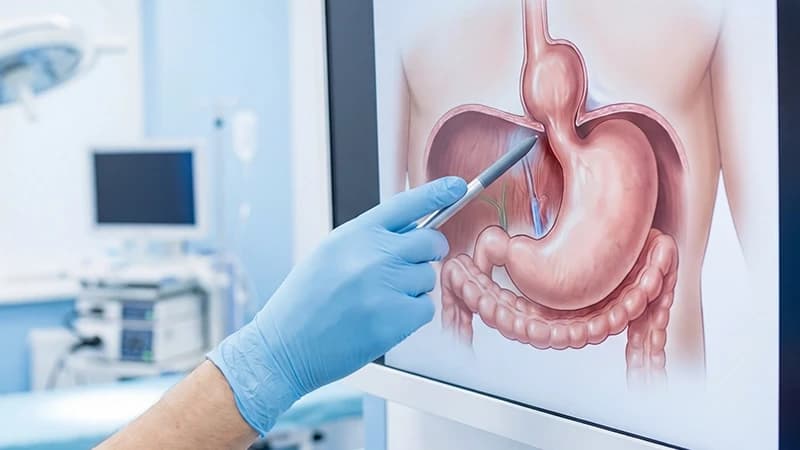
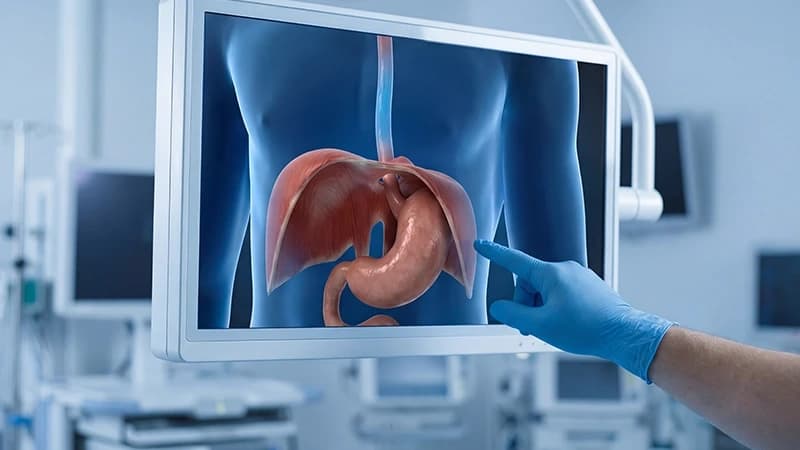
The diaphragm is the large muscle that separates the chest cavity from the abdominal cavity. Normally, the esophagus passes through a small opening (hiatus) to reach the stomach. A hernia occurs when this opening weakens or enlarges, allowing the stomach to slide upward. The two main types are the sliding hiatal hernia (most common) and the paraesophageal hernia (less common but more serious).
Differences from Common Abdominal Hernias
Unlike an umbilical hernia, which presents as a visible bulge under the skin, a hiatal hernia is "invisible" to the naked eye. It cannot be felt by hand. The difference lies in the symptoms; while a regular hernia causes localized pain and a bulge, a hiatal hernia directly impacts the upper digestive system and breathing functions.
How a Hiatal Hernia Affects the Digestive System
The diaphragm acts as an additional pressure valve that prevents stomach acid from refluxing into the esophagus. When a hernia is present, this barrier weakens, leading to chronic acid reflux (GERD). Over time, this acid causes inflammation in the esophageal lining, which may lead to complications requiring specialized laparoscopic intervention.
Common Causes of Hiatal Hernia
A hernia rarely happens by chance. Several factors contribute to weakening the tissues and increasing intra-abdominal pressure, forcing the stomach upward.
Increased Abdominal Pressure and Obesity
Obesity, particularly excess weight around the abdomen, is one of the leading causes of hiatal hernia. The extra weight exerts constant pressure on the stomach, forcing it through the hiatus. While weight loss through Bariatric Surgery can alleviate symptoms, it may not always reverse the structural damage to the diaphragm.
Age-Related Changes and Muscle Weakness
As we age, muscles and connective tissues naturally lose their elasticity and strength. The diaphragm is no exception. We often notice that hiatal hernia symptoms become more pronounced in patients over 50, where the muscle is less capable of resisting internal pressure.
Physical Injuries and Chronic Straining
Certain behaviors can trigger a hernia. Chronic coughing (especially in smokers), frequent vomiting, or improper heavy lifting can cause a sudden spike in abdominal pressure, leading to a tear or widening of the diaphragmatic hiatus.
Common Causes of Hiatal Hernia
A hernia rarely happens by chance. Several factors contribute to weakening the tissues and increasing intra-abdominal pressure, forcing the stomach upward.
Increased Abdominal Pressure and Obesity
Obesity, particularly excess weight around the abdomen, is one of the leading causes of hiatal hernia. The extra weight exerts constant pressure on the stomach, forcing it through the hiatus. While weight loss through Bariatric Surgery can alleviate symptoms, it may not always reverse the structural damage to the diaphragm.
Age-Related Changes and Muscle Weakness
As we age, muscles and connective tissues naturally lose their elasticity and strength. The diaphragm is no exception. We often notice that hiatal hernia symptoms become more pronounced in patients over 50, where the muscle is less capable of resisting internal pressure.
Physical Injuries and Chronic Straining
Certain behaviors can trigger a hernia. Chronic coughing (especially in smokers), frequent vomiting, or improper heavy lifting can cause a sudden spike in abdominal pressure, leading to a tear or widening of the diaphragmatic hiatus.
Early Signs and Symptoms of a Hiatal Hernia
The biggest challenge with this condition is that its symptoms often mimic other diseases. You must pay close attention to your body’s signals to know when should you suspect a hiatal hernia?
GERD and Persistent Heartburn
The most common symptom is a burning sensation in the chest that may reach the throat, especially after heavy meals or when lying down. If you suffer from heartburn that does not respond to conventional medications, it is a strong indicator to seek professional diagnosis.
Chest Pain and Shortness of Breath
Large hernias can press against the diaphragm, reducing the lungs' expansion space and causing shortness of breath. Furthermore, the pain resulting from esophageal spasms or stomach pressure in the chest can mimic heart attack symptoms, necessitating differential diagnostic tests.
Difficulty Swallowing and Early Satiety
When the stomach slides upward, a slight twist can occur, making it difficult for food to pass (dysphagia). Patients may also feel full quickly (early satiety) or nauseous because a portion of the stomach is compressed within the chest, reducing its comfortable capacity.
How Doctors Diagnose a Hiatal Hernia (2026 Protocols)
In 2026, our diagnostic tools have advanced to provide definitive answers with minimal discomfort.
Medical Tests Used to Detect a Hiatal Hernia
Modern diagnosis relies on a combination of functional and structural tests. We start with a comprehensive clinical evaluation followed by specific imaging to map the anatomy of the hiatus.
Endoscopy and Imaging Tests Explained
Upper Endoscopy remains the "Gold Standard." Using a tiny camera, we can directly visualize the hiatus, measure the hernia size, and assess esophageal damage. Additionally, a Barium Swallow (X-ray with contrast) provides a "road map" of the esophagus and stomach's position relative to the diaphragm.
Can a Hiatal Hernia Be Detected at Home?
A common question is whether a patient can diagnose themselves. Unfortunately, a hiatal hernia cannot be detected at home. It requires specialized medical equipment to see internal structures. However, tracking your symptoms (like persistent reflux) is the first step toward a clinical diagnosis.
Treatment Options After Diagnosis
Once the diagnosis is confirmed, we create a personalized treatment plan focused on long-term relief.
Lifestyle and Medical Management
For mild cases, we begin with lifestyle changes: smaller meals, avoiding food three hours before bed, and elevating the head during sleep. We also use advanced proton pump inhibitors (PPIs) to manage acid.
When Surgery May Be Required
Surgery becomes the definitive solution when symptoms are severe, the hernia is large, or medications fail. Laparoscopic Nissen Fundoplication is performed through tiny incisions (less than 1 cm). We return the stomach to its correct position, tighten the hiatus, and reinforce the valve.
Final Thoughts on Early Detection
In 2026, robotic-assisted surgery offers unprecedented precision and 3D visualization, allowing for gentler tissue handling and faster recovery. Early detection remains the key to avoiding complications and returning to a pain-free life.