
 Gastroesophageal Reflux

Understanding the causes of skin sagging and how to treat it is something millions of people search for — yet very few find clear, honest answers. Skin laxity is not just a cosmetic inconvenience. It affects confidence, comfort, and sometimes physical health. Whether it appears after dramatic weight loss, pregnancy, or simply as a natural part of aging, the underlying mechanisms are worth knowing in real detail.
For anyone navigating this issue, working with a knowledgeable specialist makes a measurable difference in outcomes. Dr. Abdullah Al-Munifi, a consultant in obesity surgery and laparoscopy, regularly sees patients dealing with significant excess skin — and his approach focuses on matching the right solution to each individual case rather than applying a one-size-fits-all protocol.
What Is Skin Sagging?
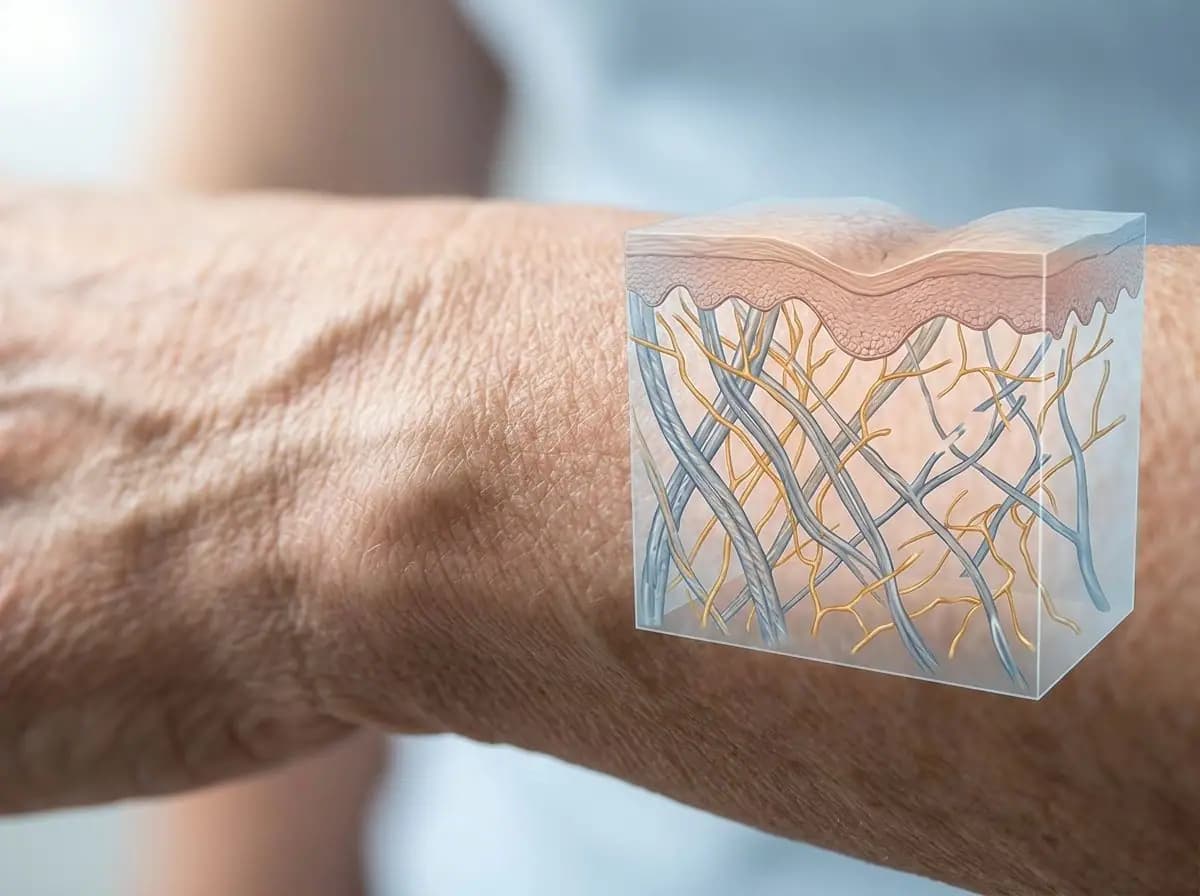
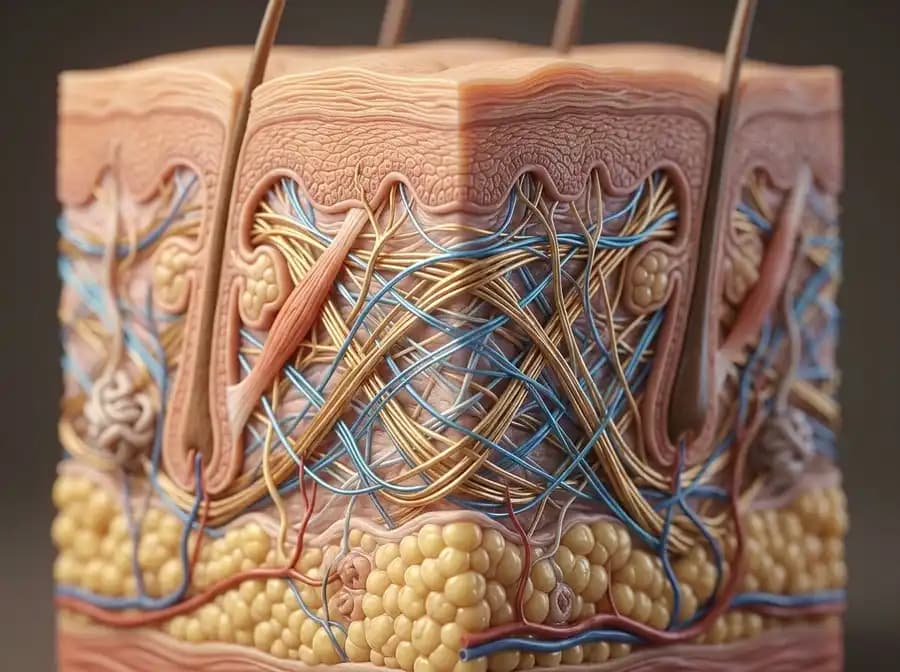
Skin sagging refers to the loss of firmness and structural support in the skin, causing it to hang loosely rather than conform to the body's contours. Healthy skin snaps back after being stretched because of two key structural proteins: collagen and elastin. Collagen provides tensile strength, while elastin gives the skin its bounce. When either of these proteins is damaged, depleted, or overwhelmed by prolonged stretching, sagging is the natural result.
This condition is not uniform across the body or across individuals. Some people experience mild looseness that is barely noticeable. Others develop significant folds of excess skin that create friction, moisture buildup, and genuine physical discomfort. The degree varies based on genetics, age at the time of change, and how long the skin was stretched.
How Does Skin Sagging Occur?
The process begins when the skin is stretched beyond its natural capacity for an extended period. Think of it like a rubber band that has been pulled tight for years — when the tension is finally released, it no longer returns to its original shape. During obesity, pregnancy, or rapid muscle growth, the dermis expands. Over time, collagen fibers within it break down and are replaced with disorganized scar-like tissue that lacks the same elasticity
Age accelerates this process considerably. As people get older, the body naturally produces less collagen and elastin. Hormonal shifts — particularly the drop in estrogen during menopause — further reduce the skin's regenerative capacity. Sun exposure, smoking, and poor nutrition compound the damage. The result is skin that has lost both its thickness and its structural integrity.
The Difference Between Skin Sagging and Muscle Sagging
People often confuse these two, and the confusion is understandable. Skin sagging is specifically about the dermis and subcutaneous tissue losing structural support. Muscle sagging, on the other hand, relates to the weakening or separation of the underlying muscular layer — something commonly seen in the abdominal wall after pregnancy, a condition called diastasis recti.
Here's the thing: both can coexist in the same patient, particularly after major weight loss or multiple pregnancies. Treating only the skin without addressing underlying muscle laxity often leads to incomplete or unsatisfying results. This is precisely why a thorough assessment before any treatment is non-negotiable.
Discover: the best way to firm up sagging skin
Causes of Skin Sagging
The causes of skin sagging and how to treat it are deeply interconnected — understanding the cause is the first step toward choosing the right solution. The most common driver is significant weight gain followed by weight loss. When fat cells expand, they push against the skin from the inside, forcing it to stretch over months or years. Once those fat cells shrink, the skin does not automatically contract to match.
Aging is the second most frequent cause. After the age of 25, collagen production begins a slow but steady decline. By the time someone reaches their 40s or 50s, the visible effects are often unmistakable — particularly in areas with thinner skin like the neck, inner arms, and face. Genetics play a significant role here too. Some individuals maintain relatively firm skin well into old age, while others notice laxity as early as their 30s.
Why Does Skin Sagging Happen After Weight Loss?
Rapid weight loss — whether through bariatric surgery, aggressive dieting, or intense exercise — gives the skin very little time to adapt. The fat volume shrinks quickly, but the dermis contracts slowly. The faster the weight loss, the more pronounced the excess skin tends to be. This is a frustrating reality for many bariatric patients who have worked incredibly hard to improve their health, only to face a new physical challenge.
Dr. Abdullah Al-Munifi's patients who undergo obesity surgery and laparoscopy frequently raise this concern post-operatively. The answer is always nuanced. Patients who lose weight gradually tend to see better skin retraction. Younger patients generally fare better too. But in cases of major weight loss — say, 40 kilograms or more — some degree of excess skin is almost inevitable regardless of how the loss was achieved.
You can also find out: how to remove subcutaneous fat
The Factors That Determine Skin's Ability to Tighten
Not all skin responds the same way, and several variables determine how well it bounces back. Age is the biggest predictor — younger skin has more collagen and greater elastic recoil. The duration of stretching matters enormously; skin that has been stretched for a decade has far less recovery potential than skin stretched for a year. Hydration, nutrition, and smoking history all influence outcomes at a cellular level. Genetics are arguably the most unpredictable factor, capable of overriding most others in either direction.
Causes of Skin Sagging Under the Eyes
The skin beneath the eyes deserves its own discussion because it behaves differently from the rest of the body. It is the thinnest skin on the face — sometimes less than half a millimeter thick — which makes it extraordinarily vulnerable to both aging and lifestyle stressors. The causes of skin sagging under the eyes include natural fat pad descent, loss of bone density in the orbital rim, thinning of the dermis due to collagen loss, and fluid retention patterns that change with age.
Chronic sleep deprivation, excessive screen time, high sodium intake, and repeated squinting all contribute to the breakdown of the delicate structures around the eyes. Sun damage is particularly aggressive here because the area has minimal melanin to offer protection. Most people overlook the role of repeated facial expressions — decades of smiling, squinting, and frowning create fine lines that eventually deepen into folds as the skin loses its ability to snap back.
Areas of the Body Most Prone to Sagging
Certain regions of the body are structurally more vulnerable to sagging than others, and this comes down to anatomy, fat distribution patterns, and the thickness of the skin in each area. The abdomen tops the list — it bears the greatest burden during obesity and pregnancy and has a large surface area, making excess skin both common and significant. The inner thighs and upper arms follow closely, as these areas accumulate fat readily and have relatively thin skin with limited natural support.
The breasts are highly susceptible after pregnancy, breastfeeding, and weight fluctuations. The neck and jawline are early indicators of facial aging, where the platysma muscle and overlying skin lose their anchor points. The buttocks can also sag considerably after massive weight loss, particularly in patients who carried a high proportion of their weight in the lower body. Each of these areas requires a different approach to treatment.
Does Skin Sagging Resolve on Its Own?
This is the question most patients ask first, and the honest answer is: sometimes, partially, and within limits. Minor laxity in younger patients — particularly when caused by moderate weight loss — can improve over six to twelve months as the body gradually remodels collagen. Staying well-hydrated, maintaining a stable weight, eating adequate protein, and doing resistance training can all support this process.
However, once sagging crosses a certain threshold — particularly after massive weight loss or in older patients — spontaneous resolution is unlikely. The collagen framework has been too compromised, the elastic fibers too degraded. Waiting for improvement that will not come is not a strategy; it is a delay that sometimes allows the condition to worsen.
Discover: the best way to get rid of excess weight
The Best Ways to Address Excess Skin
Approaching excess skin effectively requires a clear-eyed assessment of severity, location, and patient health. For mild to moderate laxity, non-surgical options can offer meaningful improvement. Radiofrequency treatments, ultrasound-based devices, and laser resurfacing all work by stimulating collagen production from within. They require multiple sessions and produce gradual results — but for the right candidates, they are genuinely effective.
Nutrition cannot be overlooked. Vitamin C supports collagen synthesis. Adequate protein — ideally 1.2 to 1.6 grams per kilogram of body weight — provides the raw material for skin repair. Resistance exercise builds the underlying muscle mass that fills space beneath the skin, reducing the appearance of looseness. These are not miracle cures, but they are legitimate contributors to skin quality.
The Best Treatment for Skin Sagging Based on Individual Cases
What works for one patient may be entirely wrong for another. Mild post-weight-loss sagging in a 28-year-old may respond beautifully to a combination of resistance training and one or two radiofrequency sessions. The same degree of sagging in a 55-year-old after losing 50 kilograms is almost certainly going to require surgical intervention to achieve meaningful improvement. The spectrum of treatment needs to be mapped to the individual, not the condition in the abstract.
How to Choose the Right Technique
Choosing between non-surgical and surgical options depends on several factors: the amount of excess skin, its location, the patient's overall health, their recovery tolerance, and their expectations. An experienced specialist will evaluate skin thickness, muscle tone, and fat distribution before recommending anything. What looks like a skin problem on the surface sometimes has a deeper structural component that changes the entire treatment plan.
When Is Surgery Appropriate?
Surgery becomes the appropriate path when excess skin is substantial enough to cause physical symptoms — rashes, infections, difficulty with movement or hygiene — or when non-surgical options have been genuinely exhausted and the patient's expectations cannot be met any other way. Body contouring procedures such as abdominoplasty, arm lift, thigh lift, and lower body lift are well-established interventions with strong evidence behind them.
Dr. Abdullah Al-Munifi, through his obesity surgery and laparoscopy practice, provides comprehensive evaluation for patients considering these steps. The goal is always to ensure that surgery is truly indicated, properly timed, and performed with realistic expectations on both sides.
Mistakes That Worsen Skin Sagging
Some of the most common mistakes people make actually accelerate the very problem they are trying to solve. Crash dieting is at the top of the list — losing weight too fast gives the skin no time to adapt, leading to far more severe sagging than a slower, steadier approach would produce. Yo-yo dieting, where weight is repeatedly lost and regained, stretches the skin in repeated cycles and progressively damages its structural integrity.
Neglecting resistance training is another widespread error. Many people focus exclusively on cardio for weight loss, which reduces both fat and muscle mass. Losing muscle removes the underlying support structure that keeps skin looking firm. Dehydration, heavy smoking, and prolonged sun exposure without protection all degrade collagen at a pace that no topical cream can reverse. And perhaps the most damaging mistake of all: dismissing the problem as purely cosmetic and ignoring professional guidance until the condition is far harder to address.