
 Gastroesophageal Reflux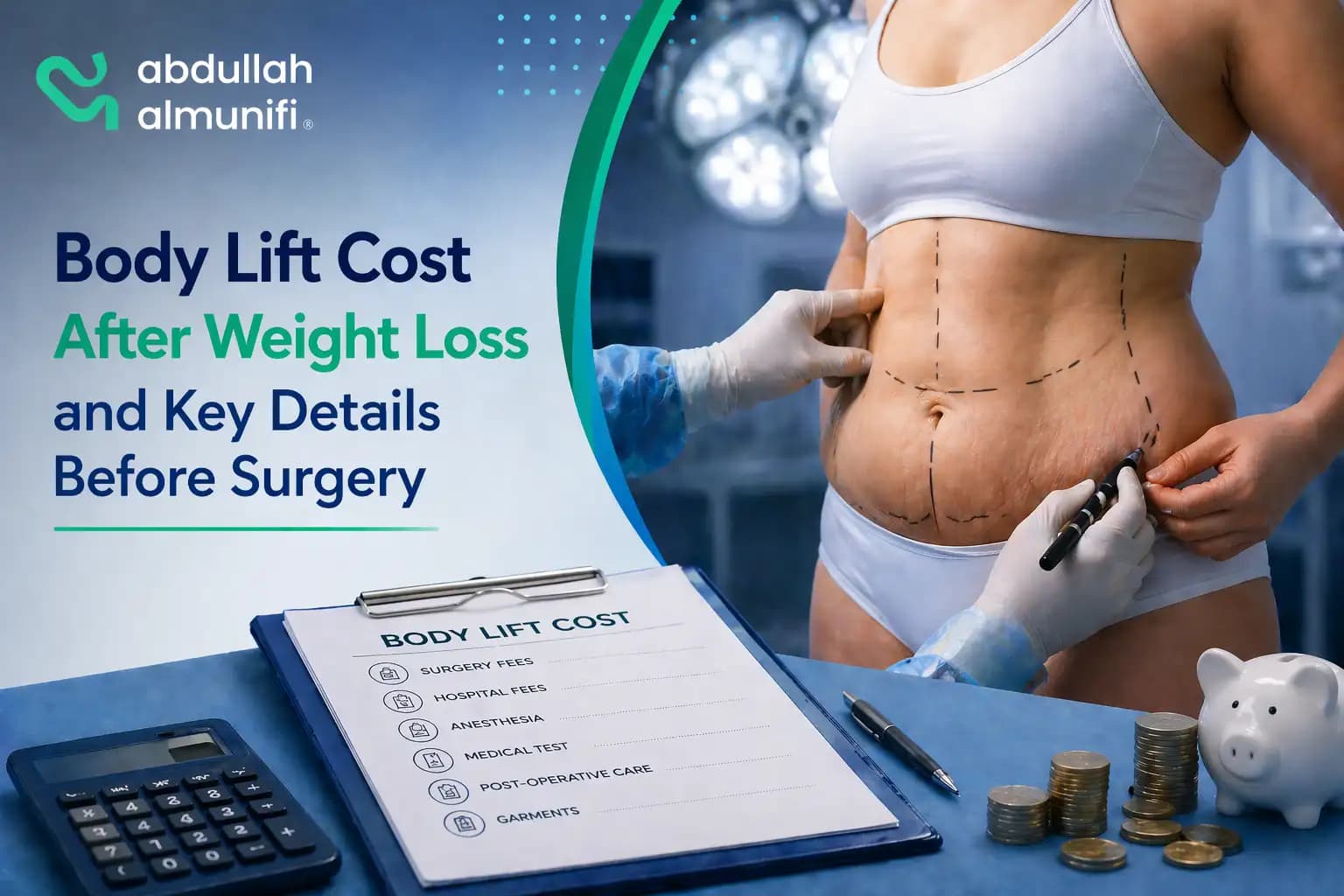
After a long journey of effort and perseverance to lose weight, many people find themselves facing a new challenge they had not anticipated. Body contouring after weight loss has become a real necessity, not just a cosmetic desire, as skin that has been stretched for years does not always return to its original shape on its own. This is a reality faced daily by thousands of individuals who have achieved their weight loss goals, only to discover that their bodies need a second stage to restore their natural contour—especially after procedures such as gastric sleeve surgery.
At Dr. Abdullah Al-Munifi’s Clinic
At Dr. Abdullah Al-Munifi’s clinic, which specializes in bariatric and laparoscopic surgery, this question is raised daily by patients who have successfully completed their weight loss journey and are now looking for the right solution for the remaining effects—particularly body contouring after weight loss. The answer is not the same for every case; it depends on several factors that must be clearly understood before making any decision. This is why having a reliable guide to choosing the best weight loss procedure is essential.
Why Does Skin Sag After Weight Loss?
The skin is a living organ that adapts to the body’s size over time. When it gradually stretches due to weight gain, its collagen and elastin fibers lose part of their elasticity. When weight loss occurs rapidly—as is common after bariatric surgery—the skin cannot shrink at the same pace as the fat loss from within, especially after procedures like gastric sleeve surgery. This is the primary reason behind the skin sagging experienced by many patients after weight loss.
Several factors determine the severity of sagging. Age plays a major role, as younger individuals have a higher capacity to regain skin elasticity compared to middle-aged or older individuals. The amount of weight lost is also crucial; those who lose more than 50 kilograms will inevitably experience more significant sagging. In addition, genetic factors and the quality of nutrition during the weight loss phase all contribute to different outcomes from one person to another.
Are Creams and Exercise Enough?
Many people initially turn to conservative solutions in hopes of avoiding surgery, which is completely understandable. Skin-tightening creams and topical products often contain ingredients such as retinol, collagen, and hyaluronic acid. These can improve skin texture and give it a noticeable glow. However, their effect remains superficial and does not reach the deeper layers where true tissue laxity exists—especially for those who require actual body contouring after weight loss.
Exercise, on the other hand, plays an important role in building muscle and improving body shape, and it is an essential part of any recovery plan. However, exercise alone cannot address excess skin that has permanently lost its elasticity. This leads to the key question: when does surgical intervention become the most appropriate and effective option?
When Is Body Contouring Surgery the Right Choice?
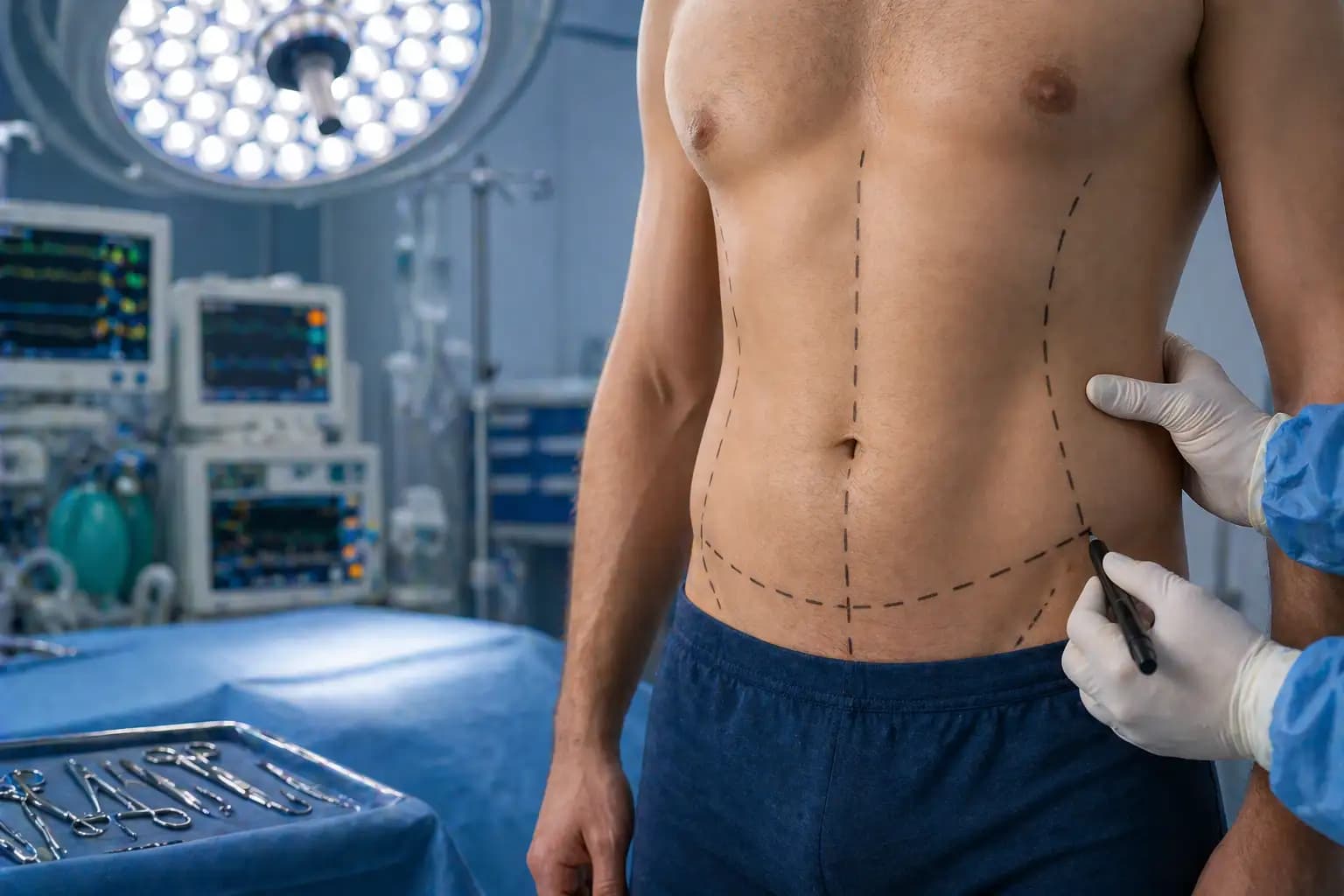
Surgical body contouring is recommended when sagging is clearly visible and causes functional discomfort, such as excess skin folding over itself, leading to irritation or persistent pain. It is also recommended when specific areas—such as the abdomen, arms, thighs, and breasts—have lost their shape in a way that affects the patient’s self-image and confidence. In such cases, procedures may include muscle separation repair along with skin tightening to achieve optimal results. Here, surgery is not a luxury but both a medical and aesthetic necessity.
Timing is also very important. Doctors generally recommend waiting until the weight has stabilized for six months to a full year before undergoing any body contouring procedure. Undergoing surgery while weight loss is still ongoing increases the likelihood of new sagging after recovery, which reduces the effectiveness of the procedure.
Types of Body Contouring Procedures After Weight Loss
There are several surgical options available for body contouring, depending on the targeted area and the nature of the case. These represent effective solutions in the body contouring journey:
- Abdominoplasty (tummy tuck): removes excess skin from the abdominal area and tightens the abdominal wall muscles. It may also include muscle separation repair and is the most requested procedure after bariatric surgery.
- Thigh lift: treats sagging in the inner thigh area, which can cause painful friction while walking.
- Arm lift (brachioplasty): removes sagging skin that hangs from the underside of the arms.
- Breast lift: restores the position and shape of the breasts after significant weight loss.
- Full body lift: addresses sagging in multiple areas at once and is suitable for cases of major weight loss.
Choosing the most appropriate procedure requires an accurate evaluation by a specialized physician who understands the patient’s overall condition.
Why Do Patients Choose Dr. Abdullah Al-Munifi?
Dr. Abdullah Al-Munifi is a specialist in bariatric and laparoscopic surgery with extensive experience in managing post-bariatric patients undergoing body contouring. This experience makes a significant difference, as a surgeon who has performed bariatric procedures understands the patient’s full medical history and can provide more precise and suitable recommendations—especially for those who have undergone gastric sleeve surgery.
What distinguishes Dr. Al-Munifi’s approach is that he does not rush to recommend surgery before exploring all other options and conducting a comprehensive evaluation. Patients are given sufficient time to discuss and understand all available options, allowing them to make a decision with confidence and comfort.
What to Expect After Body Contouring Surgery
Recovery after body contouring procedures varies depending on the type and extent of the surgery. Generally, patients need complete rest for one to two weeks, while avoiding physical exertion for four to six weeks. Results begin to appear gradually as swelling subsides and usually reach their final form within three to six months.
The results are typically very satisfying and long-lasting, provided that a stable weight is maintained after surgery. The procedure removes excess skin and reshapes the body, but it does not prevent future weight gain unless it is accompanied by long-term lifestyle changes.
Conclusion
The journey of body contouring after weight loss is not merely a cosmetic step—it is a continuation of a health journey that began with a courageous decision. It often starts with choosing the right procedure through a reliable guide to selecting the best weight loss option. Whether you are seeking an accurate evaluation of your condition or exploring available solutions, consulting an experienced specialist is the first and most important step.