
 Gastroesophageal Reflux
Types of Acid Reflux: Everything You Need to Know
Understanding the types of acid reflux is the first real step toward getting your symptoms under control — and that distinction matters more than most people realize. Not all reflux is the same, and treating the wrong type with the wrong approach can leave you frustrated for months. The causes of acid reflux vary widely between patients, and so do the best solutions.
Dr. Abdullah Al-Munifi, a specialist in obesity surgery and laparoscopic procedures, works closely with patients experiencing reflux disorders ranging from mild to severe. His expertise in minimally invasive surgery makes him a trusted resource for those who want real answers rather than generic advice.
What Is Acid Reflux
Acid reflux happens when the lower esophageal sphincter — a ring of muscle sitting at the junction between the esophagus and the stomach — relaxes at the wrong moment or stops working properly. When that happens, stomach acid flows backward into the esophagus, causing the familiar burning sensation most people call heartburn. The esophageal lining isn't built to handle acid the way the stomach lining is, which is exactly why that contact produces pain and irritation.
The causes of acid reflux are more varied than people expect. Dietary habits, body weight, pregnancy, certain medications, hiatal hernia, and even stress can all weaken or disrupt the lower esophageal sphincter. What's interesting here is that two people with identical diets can have completely different reflux experiences — genetics and anatomy play a surprisingly large role.
Types of Acid Reflux
- Non-erosive reflux disease (NERD): The most common form. Patients experience classic acid reflux symptoms — heartburn, regurgitation, chest discomfort — but endoscopy shows no visible damage to the esophageal lining. Symptoms can still be disruptive despite the absence of erosion.
- Erosive esophagitis (EE): Here the acid has caused actual visible damage — inflammation, erosions, or ulcers — on the inner wall of the esophagus. Severe acid reflux symptoms are typical in this category, and the risk of complications is meaningfully higher.
- Barrett's esophagus: A serious complication of long-term, poorly controlled reflux in which the normal esophageal lining cells are replaced by cells resembling those in the intestine. This is a pre-cancerous condition requiring close medical monitoring.
- Laryngopharyngeal reflux (LPR): Sometimes called "silent reflux" because the classic heartburn sensation is often absent. Acid reaches the throat and voice box, producing symptoms like chronic cough, hoarseness, a lump-in-throat sensation, and frequent throat clearing.
- Refractory GERD: Gastroesophageal reflux disease that continues producing significant symptoms despite adequate doses of proton pump inhibitor (PPI) medication. This type demands thorough investigation and often requires procedural or surgical intervention.
- Alkaline reflux: Less discussed but clinically important. Instead of stomach acid, bile or pancreatic enzymes reflux into the esophagus, often occurring after stomach surgery. Standard acid-suppressing medications are less effective here.
Diagnosing Acid Reflux
Diagnosis starts with a detailed clinical conversation. A doctor asking the right questions about acid reflux symptoms — timing, triggers, severity, and duration — can already build a strong working picture before any test is ordered. What are the symptoms of acid reflux telling us? Heartburn that wakes someone at night, for example, points toward a more severe or erosive variant than occasional post-meal discomfort.
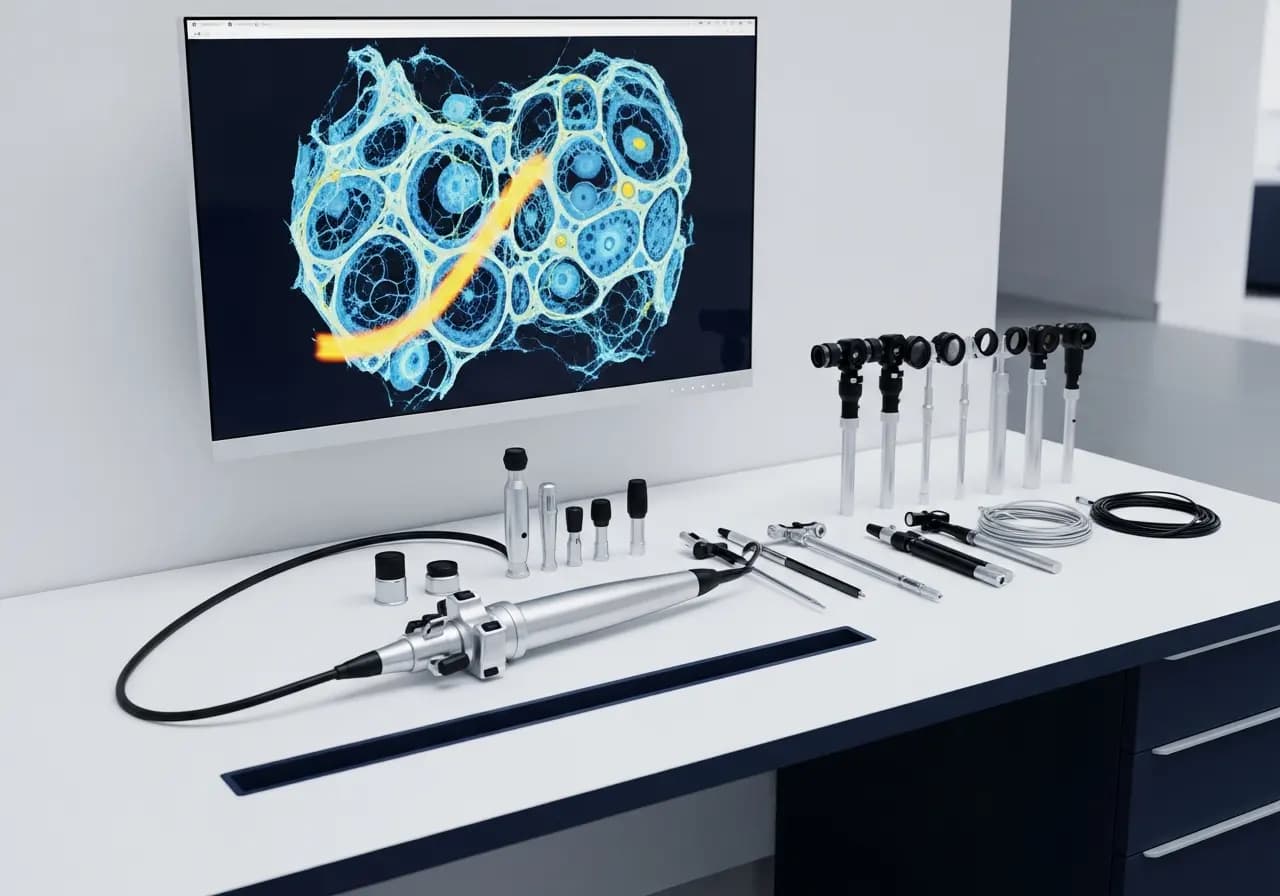
Endoscopy is the most direct diagnostic tool. A thin flexible camera is guided into the esophagus and stomach, allowing the physician to visualize erosions, ulcers, or the cellular changes of Barrett's esophagus firsthand. Ambulatory pH monitoring — where a small sensor measures acid levels in the esophagus over 24 to 48 hours — gives precise quantitative data about how often and how severely acid is entering the esophagus. Esophageal manometry measures pressure patterns in the esophagus and lower sphincter, which is particularly useful when planning surgical treatment for acid reflux.
For laryngopharyngeal reflux, diagnosis is trickier because the symptoms overlap with allergies, asthma, and other ENT conditions. A laryngoscopy performed by an ear, nose, and throat specialist is often needed alongside pH testing. Getting the diagnosis right is not optional — it is the difference between a treatment plan that works and one that wastes months of a patient's life.
What Are the Complications of Acid Reflux Disease
Most people think of reflux as uncomfortable but harmless. The reality is that chronic, untreated reflux can cause serious long-term damage, and the complications deserve honest attention.
Prolonged exposure of the esophageal lining to acid leads to esophagitis — progressive inflammation that can develop into painful ulcers and eventually strictures. A stricture is a narrowing of the esophagus caused by scar tissue, and patients often notice it first as difficulty swallowing solid food. Treating a stricture typically requires dilation procedures in addition to managing the underlying reflux.
Barrett's esophagus deserves special emphasis because the cellular changes it represents — metaplasia — carry an elevated risk of developing into esophageal adenocarcinoma, one of the faster-growing cancers of the digestive tract. The risk is still relatively low in absolute terms, but it is real enough that Barrett's requires regular endoscopic surveillance to catch any progression early. Patients with severe acid reflux symptoms lasting years without proper treatment are the ones most at risk.
Beyond the esophagus itself, chronic reflux can damage the teeth through acid erosion, aggravate asthma, cause recurrent pneumonia from micro-aspiration of refluxed material, and contribute to chronic sinusitis. These extraesophageal complications are often misattributed to other conditions for years before reflux is identified as the underlying cause.
Foods the Patient Should Avoid
- Fatty and fried foods : these slow gastric emptying and increase pressure on the lower esophageal sphincter, making reflux significantly more likely.
- Spicy dishes : hot peppers and heavy spices directly irritate an already inflamed esophageal lining and can worsen heartburn intensity.
- Citrus fruits and juices : oranges, lemons, grapefruits, and their juices are highly acidic and reliably trigger or worsen acid reflux symptoms.
- Tomatoes and tomato-based products : pasta sauces, ketchup, and salsa combine acidity with compounds that relax the esophageal sphincter.
- Chocolate : contains both methylxanthines and fat, a combination that relaxes the lower esophageal sphincter and promotes acid escape.
- Coffee and caffeinated beverages : caffeine relaxes the esophageal sphincter and stimulates acid secretion simultaneously, a double trigger.
- Carbonated drinks : the gas pressure they create inside the stomach pushes acid upward more easily, regardless of whether they are sweetened or sugar-free.
- Alcohol : weakens the lower esophageal sphincter, increases stomach acid production, and slows the stomach's ability to empty properly.
- Mint and peppermint : counterintuitively, despite their soothing reputation, mint compounds relax the esophageal sphincter and worsen reflux in most patients.
- Large meals eaten close to bedtime : volume and timing together create the worst possible conditions for nocturnal reflux.
Methods of Treating Acid Reflux
Treatment for acid reflux is never one-size-fits-all — and that principle is worth repeating. The right acid reflux treatment depends entirely on the type, severity, underlying anatomy, and the patient's overall health picture.
Lifestyle modification is always the starting point. Losing excess weight, elevating the head of the bed, eating smaller meals, avoiding trigger foods, and not lying down within three hours of eating collectively reduce reflux frequency and severity in a meaningful number of patients. For mild to moderate non-erosive reflux disease, these changes alone can produce dramatic improvement without any medication.
Pharmacological treatment for acid reflux centers on proton pump inhibitors — omeprazole, pantoprazole, esomeprazole, and their relatives — which reduce acid production at the cellular level. H2 receptor antagonists are a milder option for less severe cases. Antacids provide quick symptomatic relief but do not address the underlying mechanism. Alginate-based preparations form a physical barrier in the stomach that physically blocks reflux and are particularly useful for postprandial symptoms.
Here's the thing about medications though: they manage symptoms, they don't fix the structural problem. For patients with hiatal hernia, refractory GERD, or Barrett's esophagus, surgical gastroesophageal reflux treatment is often the most durable solution. Laparoscopic fundoplication — where the upper portion of the stomach is wrapped around the lower esophagus to reinforce the sphincter — is the gold standard surgical approach. Dr. Abdullah Al-Munifi, through his specialty in obesity surgery and laparoscopic procedures, offers this procedure using minimally invasive techniques that significantly reduce recovery time and surgical risk compared to open approaches.
For patients whose reflux is driven primarily by obesity, bariatric surgery addresses both problems simultaneously. The weight loss that follows procedures like sleeve gastrectomy or gastric bypass reduces intra-abdominal pressure substantially, and many patients find their reflux resolves or improves dramatically as a direct result. This intersection between metabolic surgery and reflux management is an area where Dr. Abdullah Al-Munifi's combined expertise becomes especially valuable.
Methods of Treating Acid Reflux
Treatment for acid reflux is never one-size-fits-all — and that principle is worth repeating. The right acid reflux treatment depends entirely on the type, severity, underlying anatomy, and the patient's overall health picture.
Lifestyle modification is always the starting point. Losing excess weight, elevating the head of the bed, eating smaller meals, avoiding trigger foods, and not lying down within three hours of eating collectively reduce reflux frequency and severity in a meaningful number of patients. For mild to moderate non-erosive reflux disease, these changes alone can produce dramatic improvement without any medication.
Pharmacological treatment for acid reflux centers on proton pump inhibitors — omeprazole, pantoprazole, esomeprazole, and their relatives — which reduce acid production at the cellular level. H2 receptor antagonists are a milder option for less severe cases. Antacids provide quick symptomatic relief but do not address the underlying mechanism. Alginate-based preparations form a physical barrier in the stomach that physically blocks reflux and are particularly useful for postprandial symptoms.
Here's the thing about medications though: they manage symptoms, they don't fix the structural problem. For patients with hiatal hernia, refractory GERD, or Barrett's esophagus, surgical gastroesophageal reflux treatment is often the most durable solution. Laparoscopic fundoplication — where the upper portion of the stomach is wrapped around the lower esophagus to reinforce the sphincter — is the gold standard surgical approach. Dr. Abdullah Al-Munifi, through his specialty in obesity surgery and laparoscopic procedures, offers this procedure using minimally invasive techniques that significantly reduce recovery time and surgical risk compared to open approaches.
For patients whose reflux is driven primarily by obesity, bariatric surgery addresses both problems simultaneously. The weight loss that follows procedures like sleeve gastrectomy or gastric bypass reduces intra-abdominal pressure substantially, and many patients find their reflux resolves or improves dramatically as a direct result. This intersection between metabolic surgery and reflux management is an area where Dr. Abdullah Al-Munifi's combined expertise becomes especially valuable.