
 Gastroesophageal Reflux
One of the most common questions gastroenterology and surgical patients ask is about the duration of permanent acid reflux treatment. Whether you have lived with a burning chest for months or have just received your diagnosis, understanding the treatment timeline helps you set realistic expectations and make smarter decisions. The answer, honestly, is not a single number — it depends on the severity of your condition, the treatment path chosen, and how consistently you follow through.
For patients seeking specialist guidance in this area, Dr. Abdullah Al-Munifi, a consultant in obesity surgery and laparoscopic procedures, offers a clinically grounded approach to managing and permanently resolving gastroesophageal reflux disease. His practice combines surgical expertise with a deep understanding of when conservative treatment is enough — and when it simply is not.
---
Acid Reflux Surgery
Surgical treatment for acid reflux is not the first resort, but for many patients it becomes the most effective and lasting solution. The procedure most commonly associated with permanent resolution of gastroesophageal reflux disease is fundoplication — a laparoscopic surgery where the upper portion of the stomach is wrapped around the lower esophageal sphincter to reinforce it and prevent acid from traveling upward. What is interesting here is that this surgery has been performed for decades, and long-term data consistently shows high success rates, with the majority of patients experiencing complete or near-complete symptom resolution.
Dr. Abdullah Al-Munifi specializes in laparoscopic and obesity-related surgery, which makes him particularly well-positioned to manage reflux cases that are complicated by excess weight. Obesity is one of the most significant contributors to chronic acid reflux, and treating both conditions together — through procedures like sleeve gastrectomy or gastric bypass, which also dramatically reduce reflux symptoms — produces outcomes that medication alone simply cannot replicate.
Recovery from laparoscopic anti-reflux surgery is generally smoother than most patients anticipate. Hospital stays are typically short, usually one to two days, and most patients return to light activity within a week. Full recovery and the settling of the new anatomical arrangement take several weeks, but the absence of that familiar burning sensation often begins almost immediately after surgery.
---
Causes of Acid Reflux
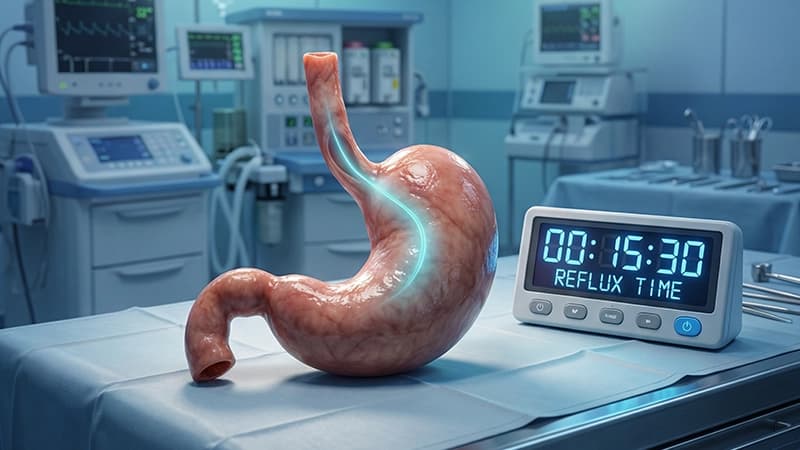
- A weakened or dysfunctional lower esophageal sphincter that fails to close properly after food passes through
- Excess body weight, particularly abdominal obesity, which increases pressure on the stomach and pushes acid upward
- Hiatal hernia, where part of the stomach pushes through the diaphragm into the chest cavity
- Eating large meals or lying down too soon after eating
- Certain foods and beverages including citrus, tomatoes, chocolate, caffeine, and alcohol
- Smoking, which weakens the esophageal sphincter and reduces saliva production
- Pregnancy, due to hormonal changes and increased abdominal pressure
- Certain medications such as aspirin, ibuprofen, and some blood pressure drugs
- Connective tissue disorders that affect the musculature of the digestive tract
---
Severe Acid Reflux Symptoms
- Persistent burning sensation in the chest or throat, often worsening after meals or when lying flat
- Chronic regurgitation of stomach acid or partially digested food into the mouth
- Difficulty swallowing or a feeling that food is stuck in the chest or throat
- Chronic dry cough that does not respond to standard cough treatments
- Hoarseness, particularly noticeable in the morning, caused by acid irritating the vocal cords overnight
- Frequent throat clearing and the sensation of a lump in the throat
- Dental erosion from repeated acid exposure in the mouth
- Disrupted sleep due to nighttime reflux episodes
- Nausea, especially after eating, and occasional vomiting in severe or untreated cases
- Chest pain that can sometimes mimic cardiac symptoms — always worth ruling out with a physician
---
How Long Does Permanent Acid Reflux Treatment Actually Take?
Here is the thing most people do not hear clearly enough: there is no single answer that applies to everyone. The duration of permanent acid reflux treatment depends almost entirely on which treatment route is taken and how advanced the underlying problem is. For patients relying solely on lifestyle changes — dietary adjustments, weight loss, avoiding triggers, and elevating the head of the bed — improvement may take weeks to months, and in many cases, these measures manage symptoms without fully eliminating the root cause.
Medication-based treatment with proton pump inhibitors or H2 blockers can reduce acid production significantly within days of starting treatment, and most patients feel noticeable relief within two to four weeks. The challenge is that this approach does not fix the mechanical problem — the weakened sphincter is still there. Stopping medication often means symptoms return, which is why many patients find themselves on long-term drug regimens without a true cure in sight.
When laparoscopic anti-reflux surgery is performed — the route Dr. Abdullah Al-Munifi and his team evaluate carefully for eligible patients — the timeline toward permanent resolution is considerably shorter in the long run. Most patients experience significant improvement almost immediately post-surgery. The complete healing and adaptation process spans roughly six to eight weeks. After that point, the majority of patients no longer require daily medication and describe their quality of life as genuinely transformed.
Could your reflux be the kind that genuinely resolves with lifestyle changes alone? Possibly. But if you have been managing symptoms for over six months without meaningful improvement, that is a strong signal to consult a specialist rather than continuing to manage rather than cure.
Signs of Recovery from Acid Reflux
- No burning sensation in the chest or throat, even after eating foods that previously triggered symptoms
- Sleeping through the night without waking due to regurgitation or discomfort
- Swallowing comfortably without any sensation of obstruction or pain
- A persistent cough or hoarseness, if present before treatment, begins to resolve
- No longer needing antacids or acid-suppressing medication on a daily basis
- Improved appetite and the ability to enjoy meals without anticipatory anxiety about symptoms afterward
- Dental health stabilizing without unexplained erosion or sensitivity
- Normal energy levels returning as sleep quality improves
---
How Long Is the Acid Reflux Treatment Period?
Understanding the treatment period for acid reflux requires separating symptom relief from actual healing. These are two different things, and confusing them is one of the most common mistakes patients make. Feeling better after taking a medication for two weeks does not mean the esophagus has healed or that the condition will not return the moment treatment stops.
For patients with mild intermittent reflux and no structural abnormality, a well-supervised course of lifestyle modification combined with short-term medication can achieve lasting results in three to six months. This assumes full compliance — consistent dietary changes, maintained weight loss, and avoidance of known triggers. Most people overlook how much of their reflux is driven by habits that are difficult to change but are absolutely central to long-term success.
Patients with moderate to severe gastroesophageal reflux disease, particularly those with confirmed hiatal hernia or significant esophageal inflammation, typically require a longer and more structured treatment approach. Medical management in these cases is rarely curative. Surgery, when indicated, compresses the entire treatment arc significantly — trading years of managed symptoms for a definitive structural repair that addresses the root cause rather than its effects.
Dr. Abdullah Al-Munifi's approach through obesity surgery and laparoscopic techniques offers patients a medically sound path to achieving this permanent resolution. For patients where obesity is contributing to reflux, weight-loss surgery does double duty — reducing body weight and, in many cases, dramatically reducing or completely eliminating reflux without a separate anti-reflux procedure.
---
How Long Is the Acid Reflux Treatment Period?
Understanding the treatment period for acid reflux requires separating symptom relief from actual healing. These are two different things, and confusing them is one of the most common mistakes patients make. Feeling better after taking a medication for two weeks does not mean the esophagus has healed or that the condition will not return the moment treatment stops.
For patients with mild intermittent reflux and no structural abnormality, a well-supervised course of lifestyle modification combined with short-term medication can achieve lasting results in three to six months. This assumes full compliance — consistent dietary changes, maintained weight loss, and avoidance of known triggers. Most people overlook how much of their reflux is driven by habits that are difficult to change but are absolutely central to long-term success.
Patients with moderate to severe gastroesophageal reflux disease, particularly those with confirmed hiatal hernia or significant esophageal inflammation, typically require a longer and more structured treatment approach. Medical management in these cases is rarely curative. Surgery, when indicated, compresses the entire treatment arc significantly — trading years of managed symptoms for a definitive structural repair that addresses the root cause rather than its effects.
Dr. Abdullah Al-Munifi's approach through obesity surgery and laparoscopic techniques offers patients a medically sound path to achieving this permanent resolution. For patients where obesity is contributing to reflux, weight-loss surgery does double duty — reducing body weight and, in many cases, dramatically reducing or completely eliminating reflux without a separate anti-reflux procedure.
---